Due Dates
Utility services are billed quarterly. Invoices are issued every three months and are due on the last business day of April, July, October, and January.
Rates and Fees
2026 Limoges Water Rates
| Annual Fixed Rate | $452.48 invoiced in 4 installments ($113.12) | ||
|---|---|---|---|
| Quarterly Consumption Rates | First Tier | < 40m3 | $2.62 per cubic metre (m3) |
| Second Tier | 41m3 - 50m3 | $3.51 per cubic metre (m3) | |
| Third Tier | 51m3 - 60m3 | $5.96 per cubic metre (m3) | |
| Fourth Tier | > 61m3 | $6.96 per cubic metre (m3) | |
| Backwash Rate (Water Services Only) | $0.24 per cubic metre (m3) | ||
2026 St-Isidore Water Rates
| Annual Fixed Rate | $629.12 invoiced in 4 installments ($157.28) | ||
|---|---|---|---|
| Quarterly Consumption Rates | First Tier | < 40m3 | $3.19 per cubic metre (m3) |
| Second Tier | 41m3 - 50m3 | $3.98 per cubic metre (m3) | |
| Third Tier | 51m3 - 60m3 | $6.02 per cubic metre (m3) | |
| Fourth Tier | > 61m3 | $7.02 per cubic metre (m3) | |
2026 Wastewater Rate
| Annual Fixed Rate | $658.80 invoiced in 4 installments ($164.70) |
|---|
Overdue accounts will be charged a penalty of 1.25% per month. This penalty is applied on the first day of each month and will continue until the outstanding balance is paid. To avoid interest and penalty charges, payment must be received by the due date.
Not receiving a utility bill does not remove your responsibility to make the payment or any late payment penalties.
Any unpaid balance from the previous year will be added to your interim property tax bill, along with the applicable service fee (per service).
Returned Payments
A $20 fee will be applied to any payment returned due to insufficient funds.
Fees may apply to water and wastewater services, such as connection permits, new accounts, water meter services, valve operations, final readings, disconnections, and reconnections.
For a complete list of municipal fees and charges, please consult the Fees and Charges page.
Water Meters
Water meters are read remotely four times per year (March, June, September and December) for billing purposes. All water use, including leaks, is the property owner’s responsibility.
Property owners should know the location of their water meter and internal main water shut-off valve. Knowing where these are located can help reduce or prevent potential issues in the event of a leak or emergency.
Water meters are typically located in the basement, along the front wall and close to the floor, after the main shut-off valve. They are often found near the hot water heater, water softener, or furnace. If your property does not have a basement, the meter may be located in a crawlspace or on the main floor.
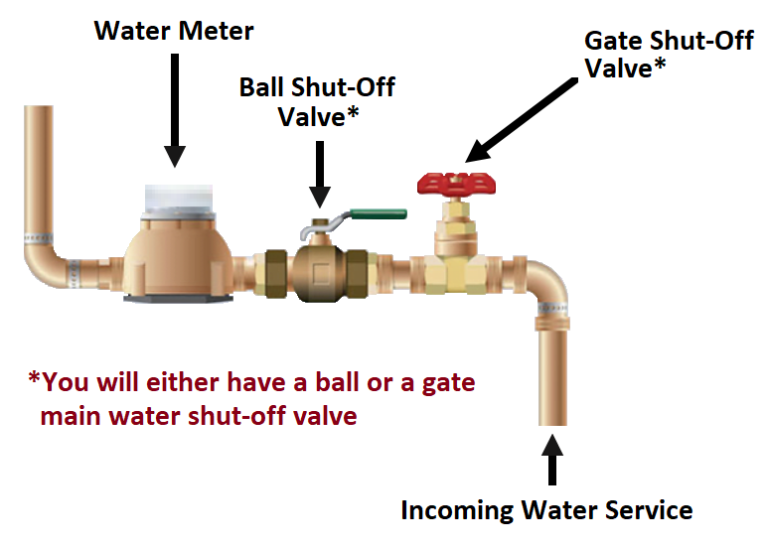
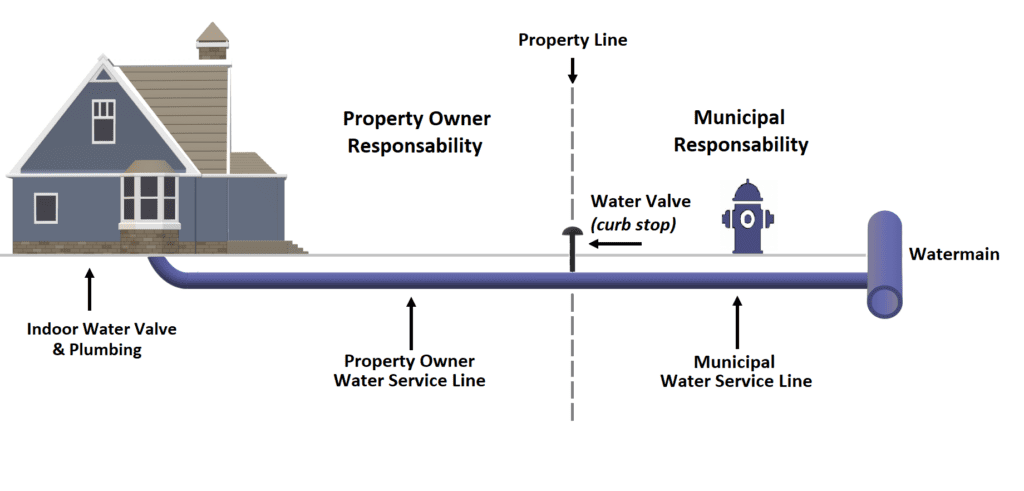
Water meters are the property of The Nation Municipality. However, property owners are responsible for maintaining the meter and all interior plumbing, including pipes and shut-off valves.
Property owners must ensure that the water meter remains accessible at all times and that adequate heating is provided to prevent damage during freezing winter temperatures. If a water meter becomes damaged or freezes due to improper care, the property owner will be responsible for the cost of replacement.
Municipal water meters are battery-powered and equipped with a solar-powered display. To read your water meter, open the cover and shine a flashlight directly onto the screen to activate and illuminate the display.
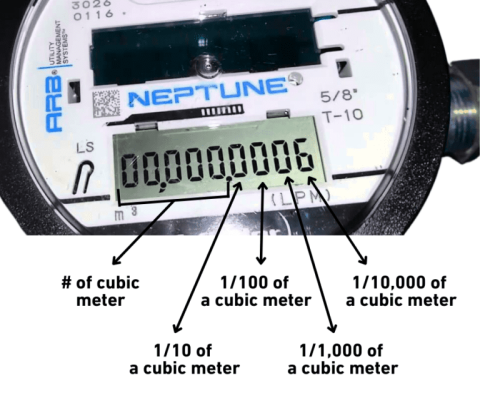
If the meter reading continues to increase when no water is being used, it may indicate a leak. Refer to the leak detection section below for more information.
The icons on your water meter display can help detect leaks. For example, if a faucet icon appears, it usually means there’s a leak somewhere after the water meter, see table below. Here’s how to check for leaks:
1. Check Your Water Meter Display
If the numbers on your meter are moving even when no water is being used in your home, you likely have a leak.
| Icon | Description | |
|---|---|---|
Image 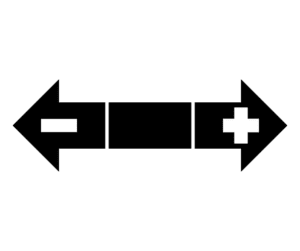 | Flow/Leak Indicator shows the direction of flow through the meter: | |
| ON | Water in use. | |
| OFF | Water not in use. | |
| Flashing | Water is running slowly / low flow indicator. | |
Image 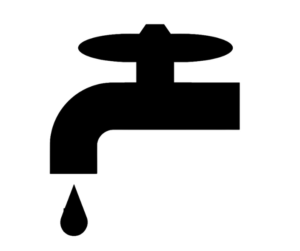 | Leak indicator displays a possible leak: | |
| OFF | No leak indicated. | |
| Flashing | Intermittent leak indicated. Water used during at least 50 of the 96 days of 15-minute intervals, during the previous 24-hour period. | |
| Continuous ON | Continuous leak indicated. Water used during all 96 days of 15-minute intervals, during the previous 24-hour period. | |
2. Common Sources of Leaks
Toilets: Toilets are a frequent cause of leaks. To test, put food coloring or dye tablets in the tank (not the bowl) and wait 10-15 minutes without flushing. If the color appears in the bowl, you have a leak.
Hot Water Tank: Inspect for drips or moisture around the tank.
Sprinkler Systems: Look for wet spots in your yard or water pooling near sprinkler heads.
Water Softeners: Faulty parts in a water softener can lead to excessive water use. Regular servicing can help prevent this.
3. Emergency Action
If you find a significant leak, turn off the water supply to your home using the main shut-off valve. This stops water flow while you make repairs or call a plumber.
By addressing leaks quickly, you can save water and reduce your utility bill. If the water meter itself is leaking, contact us.
A sudden increase in your water bill may occur for several reasons, including:
- Leaks in toilets or plumbing fixtures.
- More people living or working in your home.
- Increased water use during a hot, dry summer.
- A longer billing period than usual.
- Activities like renovations, landscaping, or filling a pool or hot tub.
If your bill unexpectedly rises, it’s possible you have a leak in your private plumbing system. Please note that all water use, including water wasted due to leaks, is your responsibility and will be billed according to the established tier rates.
For guidance on detecting and addressing leaks, visit our Leak Detection section. Addressing leaks promptly can help you avoid unnecessary costs.